Geothermal Energy – Projects
Geological Survey Ireland has been a long-standing advocate of Ireland’s geothermal energy resources. Our past and current projects have compiled and consolidated geothermal data for a variety of stakeholders including homeowners. You can read more about our completed projects here.
Geothermal Suitability Maps (Ground-Source Heat)
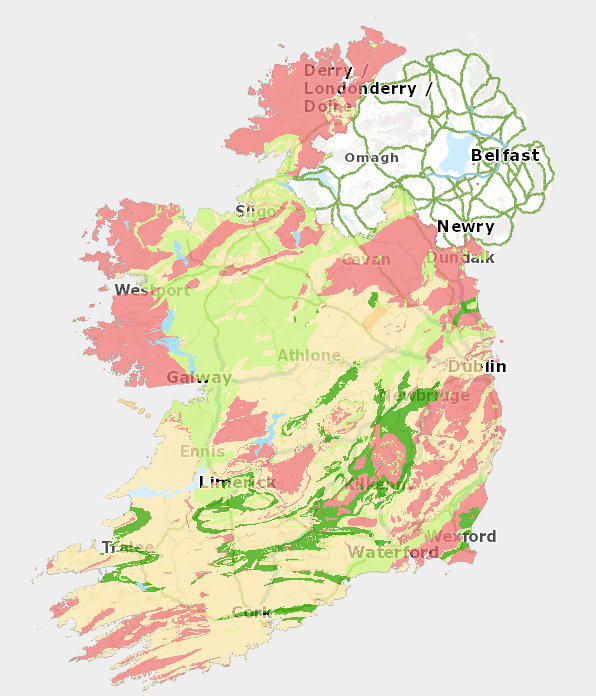
Geothermal energy found at shallow depths – also known as ground source heat – can be used for heating and cooling buildings, offices and factories. We have produced maps and user guides to help people find out more about the resource and where to find it.
Grangegorman TUD Geothermal Project
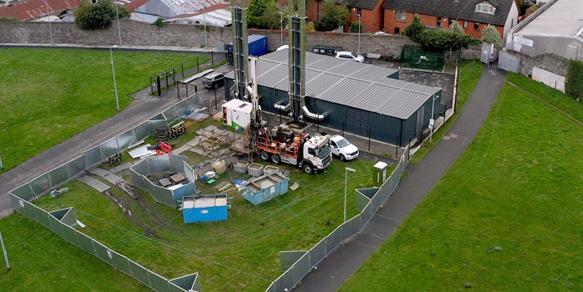
Geological Survey Ireland has carried out numerous investigations throughout the country. Click the link below to learn about previous and ongoing Geothermal investigations.
National Geothermal Database
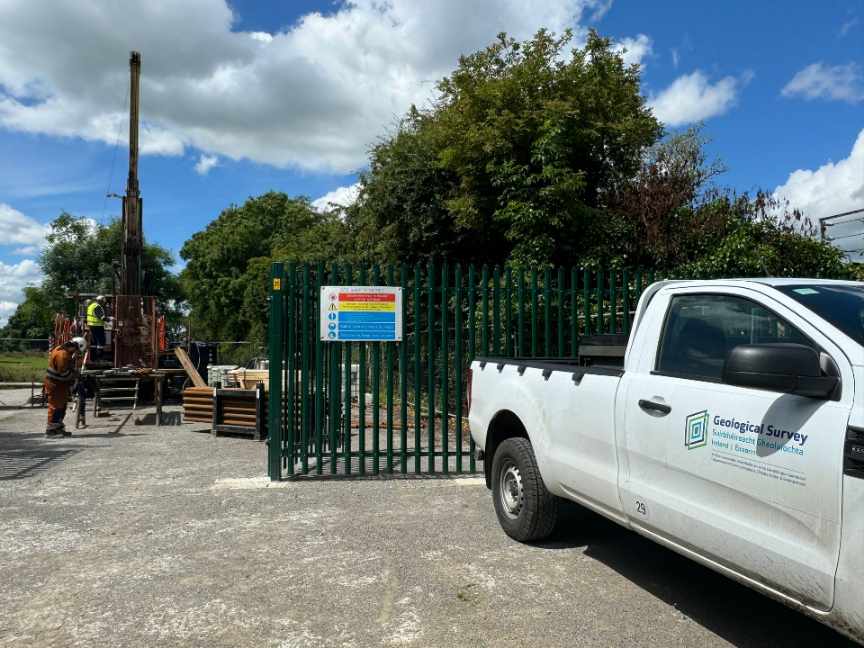
Geological Survey Ireland are developing the National Geothermal Database (NGD) to drive the adoption of geothermal energy in Ireland. The purpose of the database is to collect high quality publicly available data to encourage sustainable geothermal development and inform policy.
A Homeowner’s Guide to Ground Source Heat / Shallow Geothermal Energy
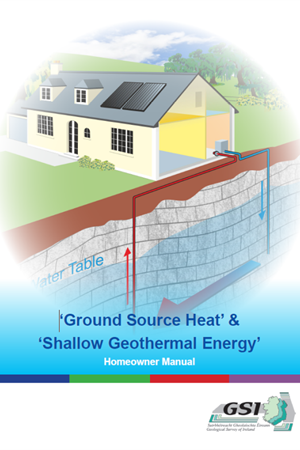
The aim of this project was to help readers with the decision to purchase and install a domestic ground source heat pump (GSHP) system for home heating.
IRETHERM

Geological Survey Ireland are developing the National Geothermal Database (NGD) to drive the adoption of geothermal energy in Ireland. The purpose of the database is to collect high quality publicly available data to encourage sustainable geothermal development and inform policy.
GeoERA MUSE

The GeoERA MUSE (Managing Urban Shallow geothermal Energy) project is investigating resources and possible conflicts of use associated with the use of shallow geothermal energy in European urban areas.
HotLime

As part of the GeoERA Geo-Energy theme, Geological Survey Ireland was actively involved in the HotLime project to characterise and assess hydrothermal systems in deep carbonate rocks.