Areas of study
Palaeontology
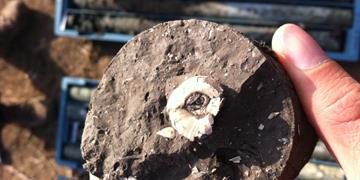
Palaeontology is the study of fossils and what they tell us about the past. Micropalaeontology is the study of microscopic fossils.
Engineering geology
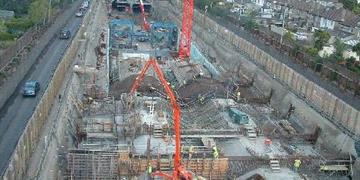
Engineering geology is the application of geological information to engineering to ensure geological factors such as location, structure and operation are all suitable.
Marine geology
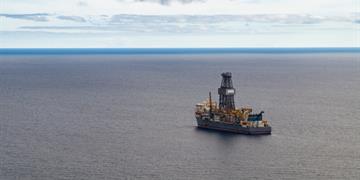
Marine geology studies the geology of the deep ocean floor and continental shelves.
Volcanology
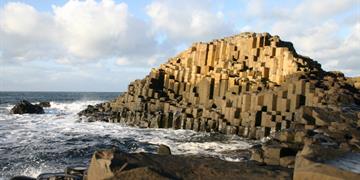
Volcanology is the study of volcanoes.
Geochemistry

Geochemistry is the study of the chemical composition of the earth and its rocks and minerals.
Geophysics
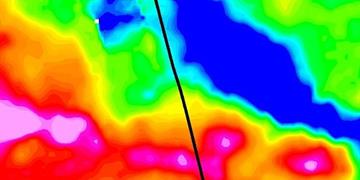
Geophysics (Structural Geology) is the study of the physical structure and properties of the earth.
Seismology
Seismology is the study of energy waves caused by tectonic plates moving or rock suddenly breaking apart.
Sedimentology

Sedimentology studies how rocks are deposited over time and how sedimentary rocks form.
Stratigraphy
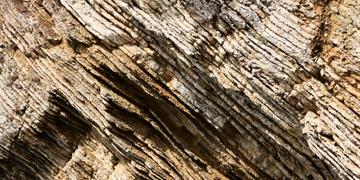
Stratigraphy is the study of rock layers (strata) and layering.
Tectonics
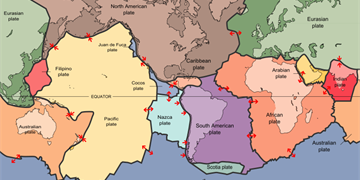
Tectonics studies how the earth’s tectonic plates move around.
Petrology
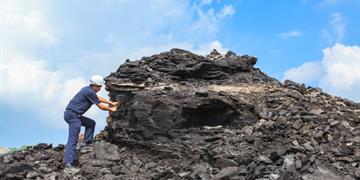
Petrology is the study of rock, where they came from, how they were formed and their structure.
Geomorphology
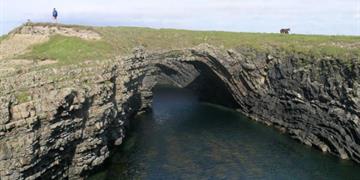
Geomorphology studies the physical features of the surface of the earth and their relation to its geological structures.
Hydrogeology
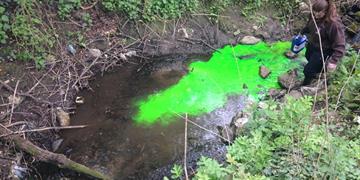
Hydrogeology is the study of groundwater and the prevention of hazards (pollution) within the groundwater system. It is also involved in finding new sources of groundwater for towns and villages drinking water supply.
Mineralogy
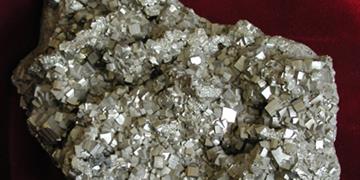
Mineralogy the study of minerals or mineral components within the rocks as well as Crystallography – the study of the crystalline properties of minerals.