ISC Webinar 1 – Prof. Simon Dalby
ISC Lecture Series Webinar 1 – “Firepower, Geopolitics and the Future: Rethinking Environmental Security”
You can regsiter online HERE

The 2030 Agenda for Sustainable Development aside from providing a framework to sustainability and equality, can also represent how to better link basic science and education with issues such as climatic and environmental change, water and energy security, ocean preservation, disaster risk and other existential risks to living sustainably on planet Earth. While we celebrate the International Year of Basic Sciences for Sustainable Development (IYBSSD), it is important to recognize the contribution basic science can make to the implementation of the 2030 Agenda. The International Year, promulgated by the United Nations, encourages exchanges between scientists and all categories of stakeholders, whether from grassroots communities or political decisionmakers and international leaders, to associations, students and local authorities.
To promote discussion and debate around these issues, the ISC will convene three online webinars on 21 February, 21 March and 18 April 2023, to discuss rethinking environmental security for the 21st century; disaster risk reduction and interdependencies between vulnerability, exposure, and hazards; and how we can consider the SDGs and the 2030 Agenda from a data-driven geographical perspective. Our speakers, Simon Dalby, Irasema Alcántara-Ayala and Chen Jun invite you to engage this conversation.
Webinar 1 : “Firepower, Geopolitics and the Future: Rethinking Environmental Security”
The interconnected crises of energy, security, and climate change require rethinking many aspects of modernity. The great power rivalries, accelerating climate related calamities, and technological innovations reprise many of the themes first clearly articulated at the 1972 Stockholm United Nations Conference on the Human Environment. Half a century later the urgency of grappling with our predicament, of only having one earth, requires redoubled efforts to link across disciplines, and in particular across the divide between natural and social sciences. Innovative formulations such as the Anthropocene are needed because perpetuating the modern social order based on firepower can no longer provide security. Instead, strategies to facilitate adaptation and remove institutional blockages to rapid energy innovation are a key theme for policy makers, and likewise for researchers in numerous geosciences.
|
|
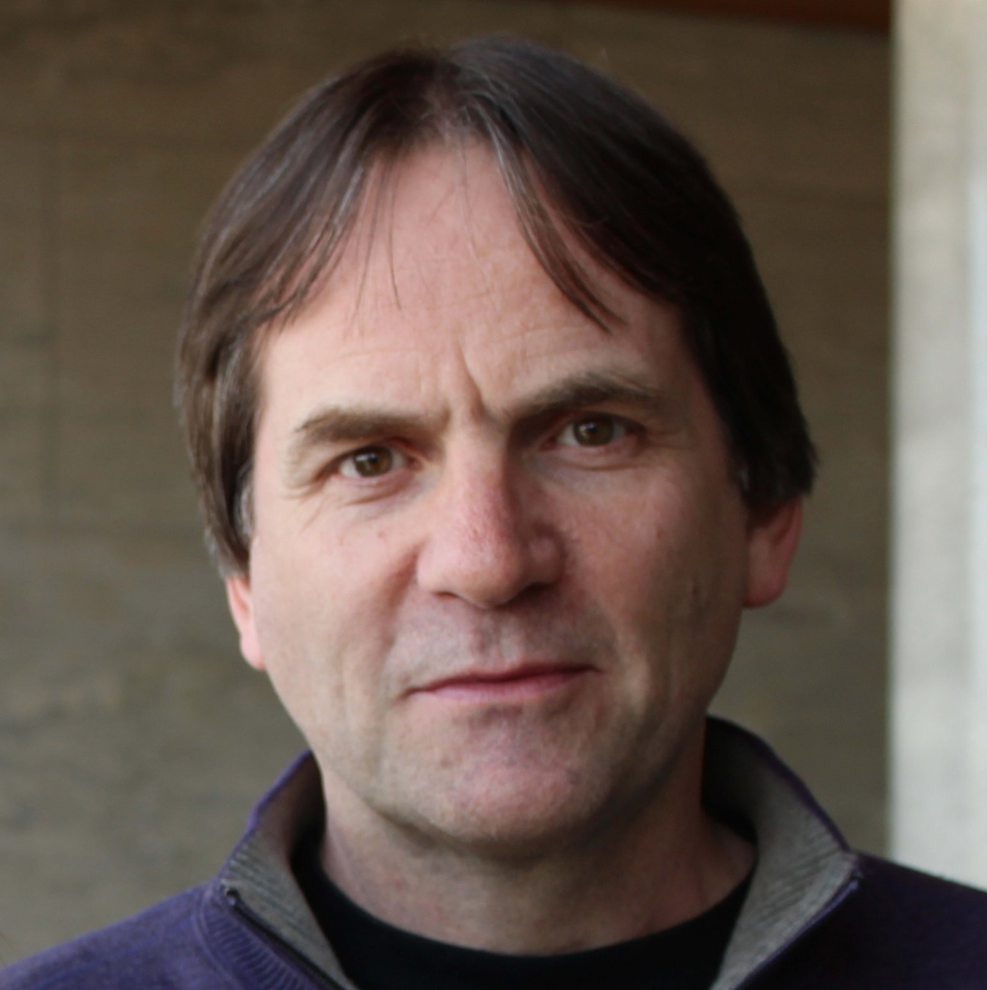
Simon Dalby
|
Topic: Climate Change, Environmental Health, Energy
Programme:
Category: Education